Authentic Human-Centered Design Facilitator Guide
Role: Instructional Designer & Learning Experience Architect
Context: Professional Learning (In-Person, Scalable)
Facilitator Guide cover highlighting the iterative Human-Centered Design framework.
The Problem
Educators are expected to facilitate inquiry-driven, standards-aligned learning with limited time, fragmented professional development, and few facilitation tools that support real-time decision-making. Most PD explains frameworks but fails to model them or scale across contexts.
The Solution
This facilitator guide was designed as a performance-support system—not a script. It enables facilitators to confidently lead a 2-hour professional learning experience that models an Authentic Human-Centered Design sprint while reducing cognitive load and increasing fidelity.
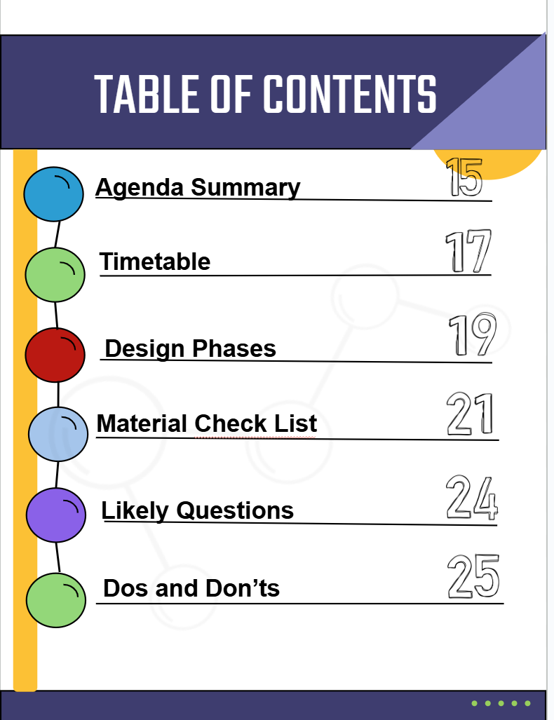
Table of contents designed for rapid navigation during live facilitation.
Learner Context & Needs Analysis
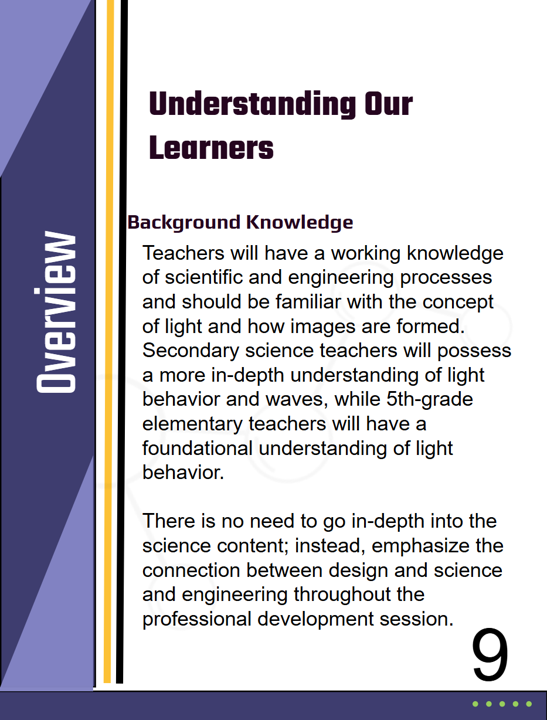
Learner profiles help facilitators make asset-based, real-time decisions.
Aims & Learning Objectives
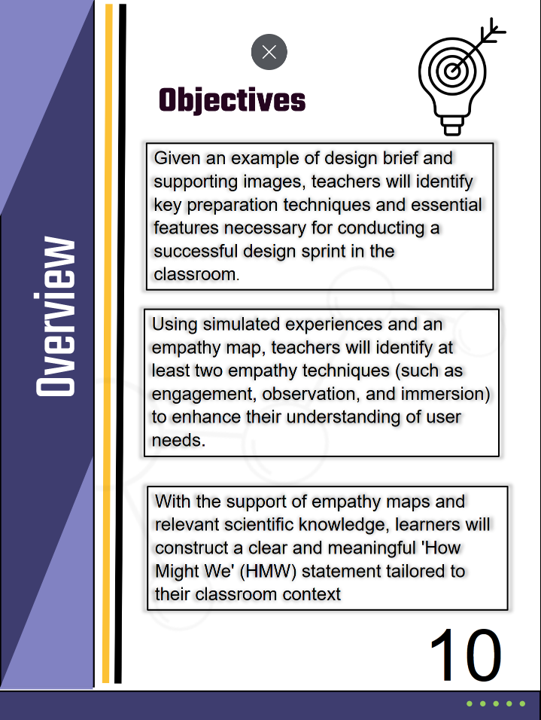
Clear, measurable objectives aligned to backward design and Bloom’s Taxonomy.
Agenda, Phases & Time Management
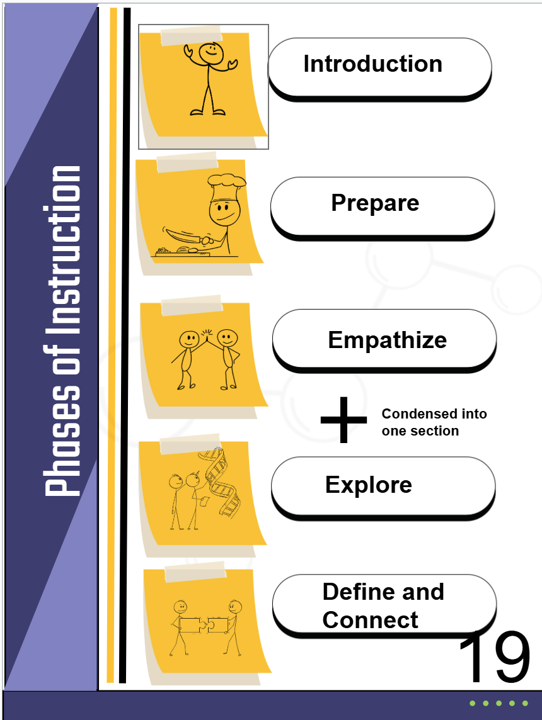
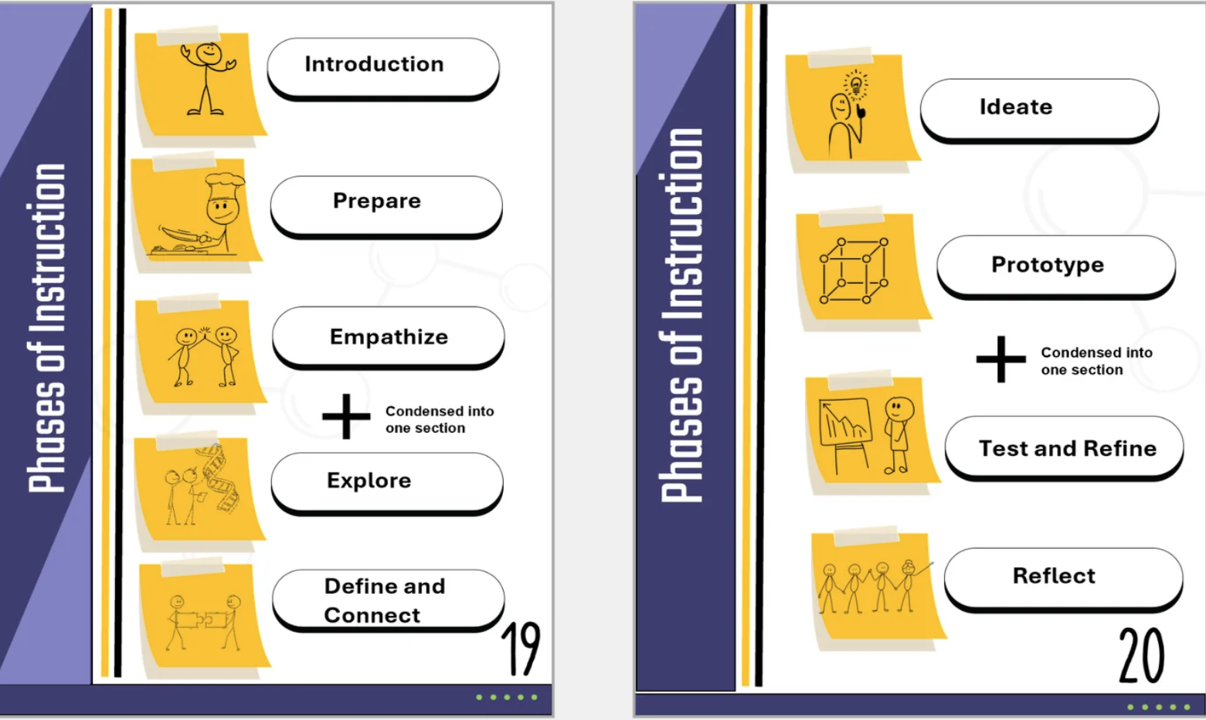
Large infographics guide facilitators through each phase of the design sprint.
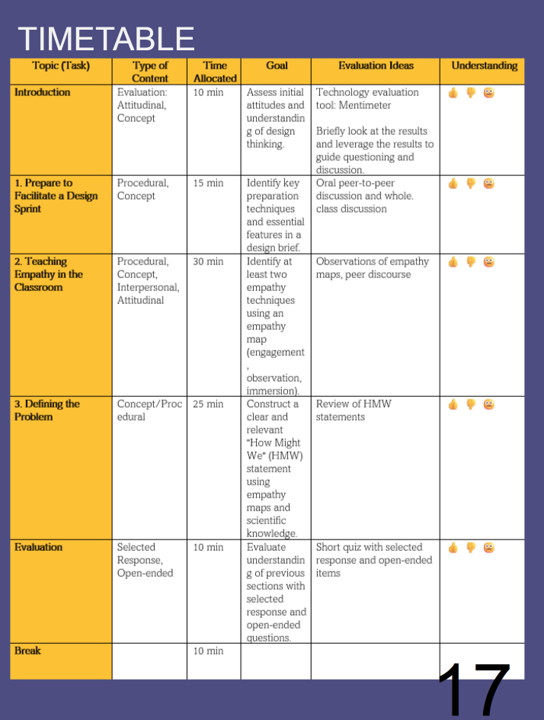
Timetables support pacing and session flow.
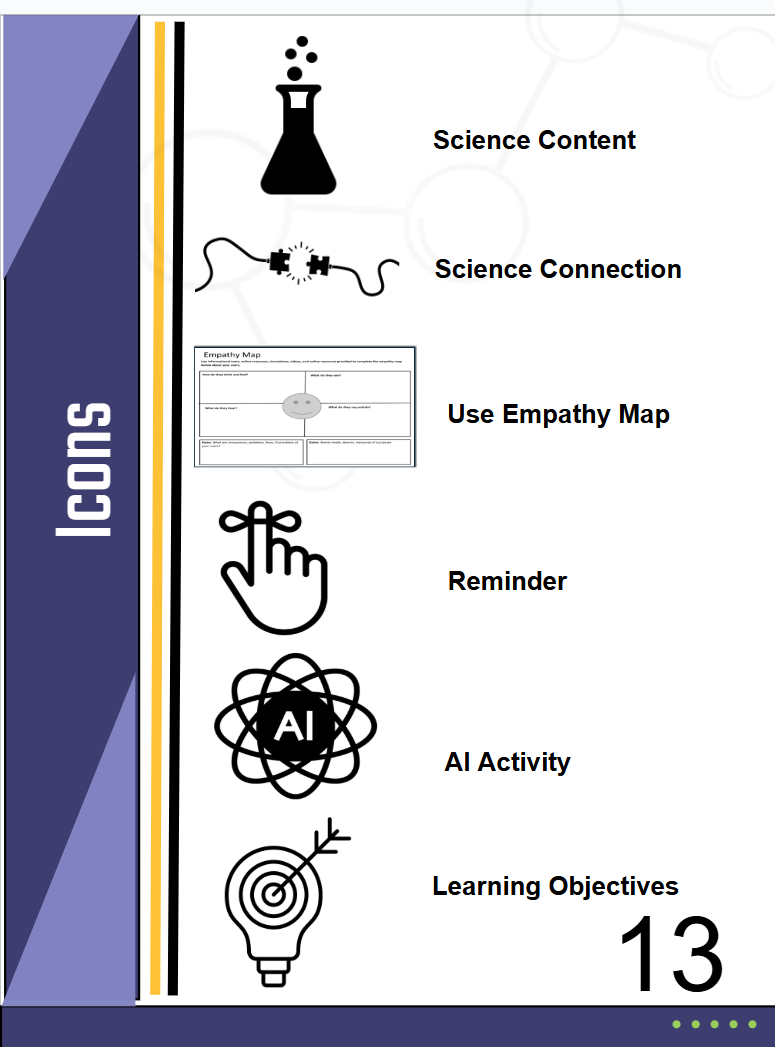
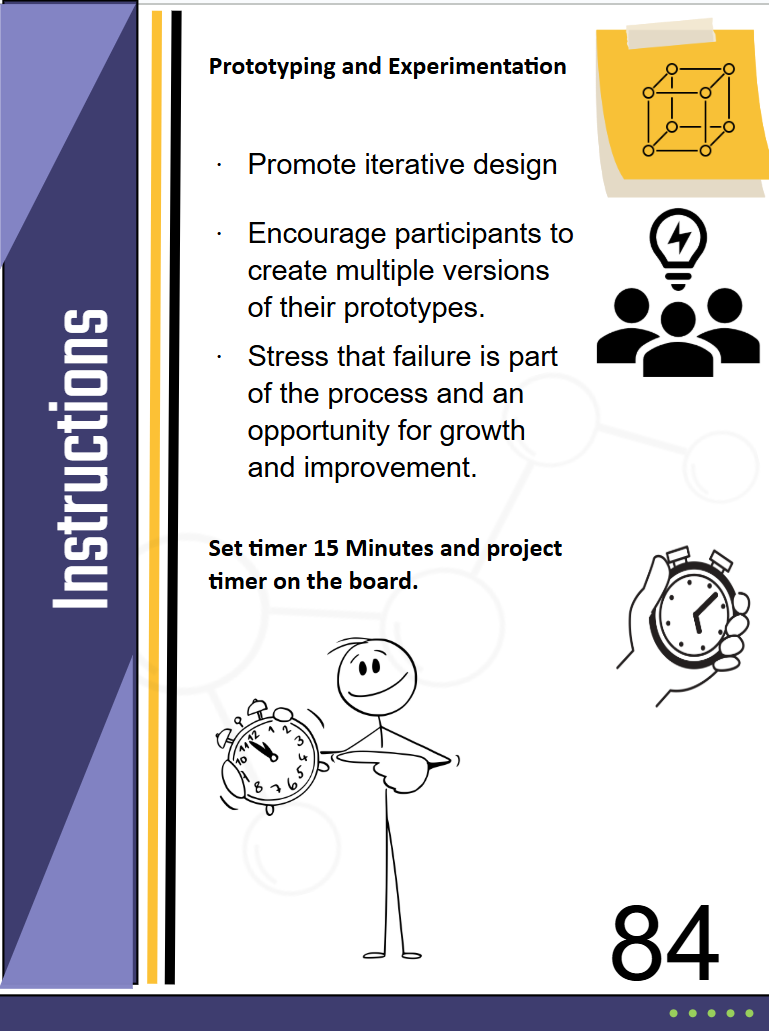
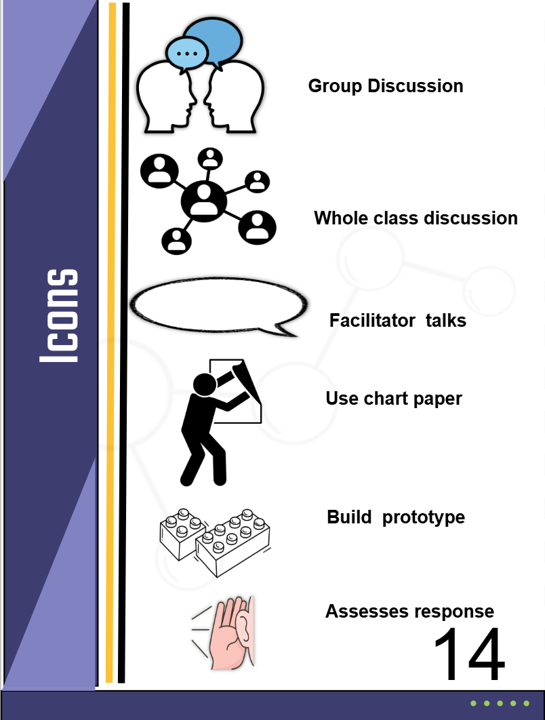
Visual System & Icon Language
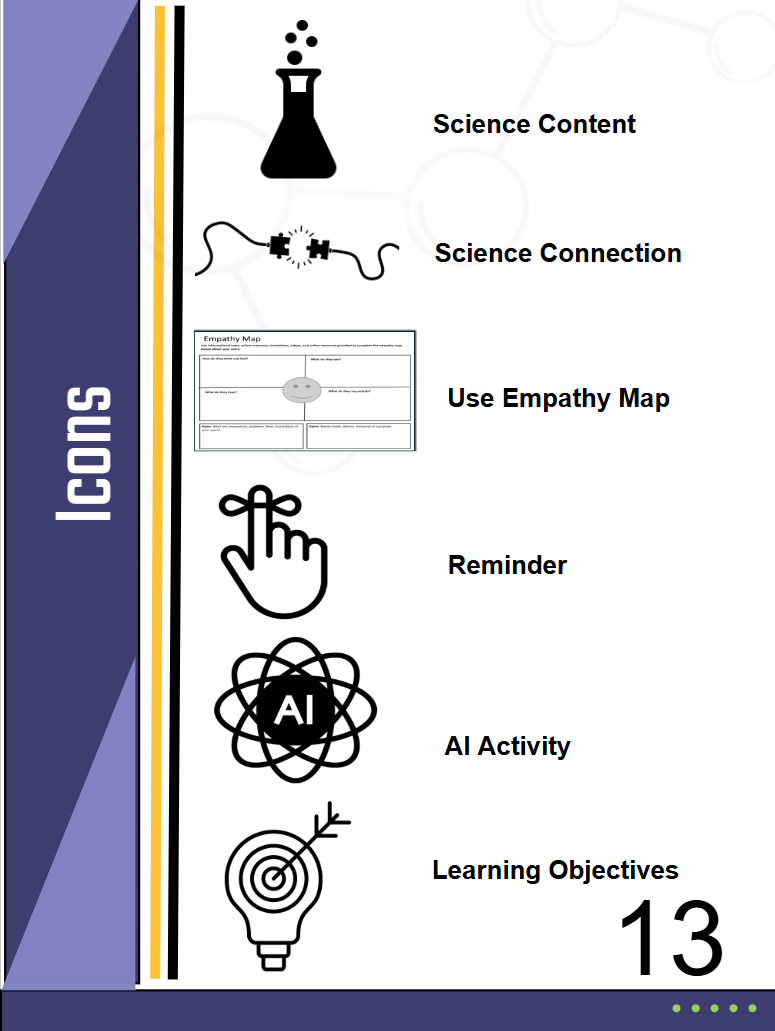
Engagement & Feedback Loops
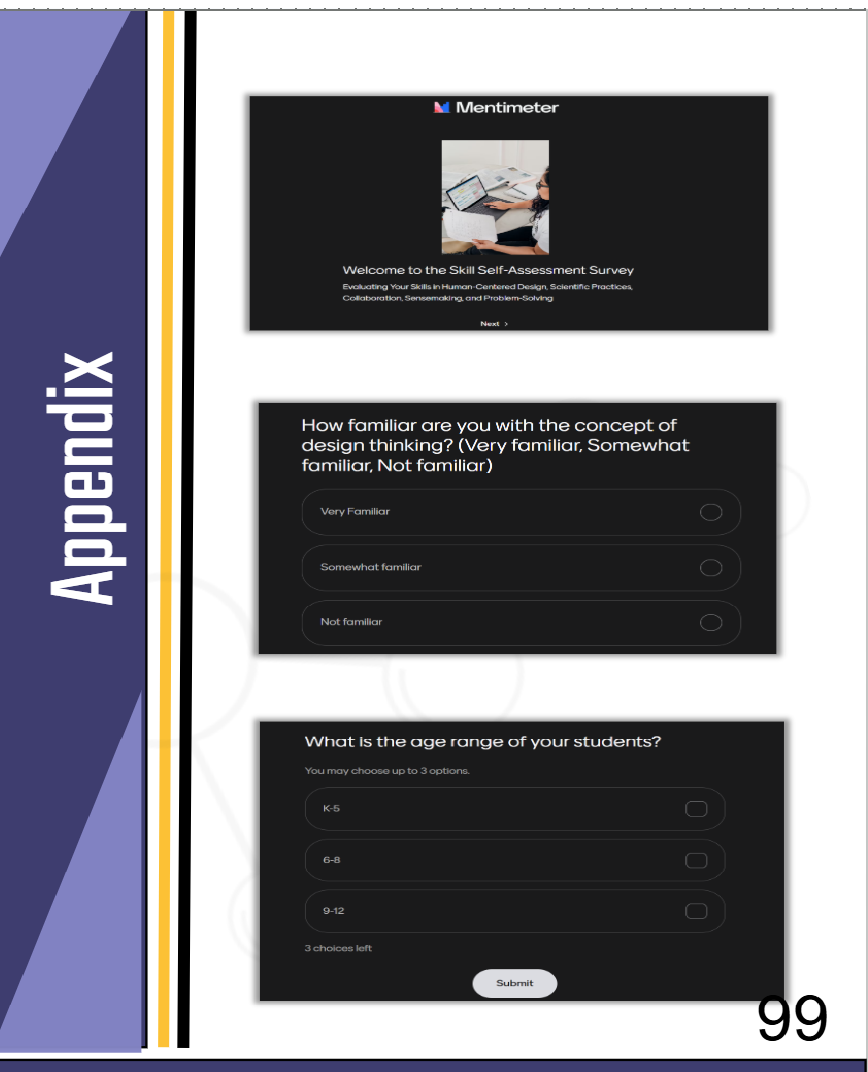
Embedded formative feedback supports real-time instructional adaptation.
Empathy-Driven Learning Design
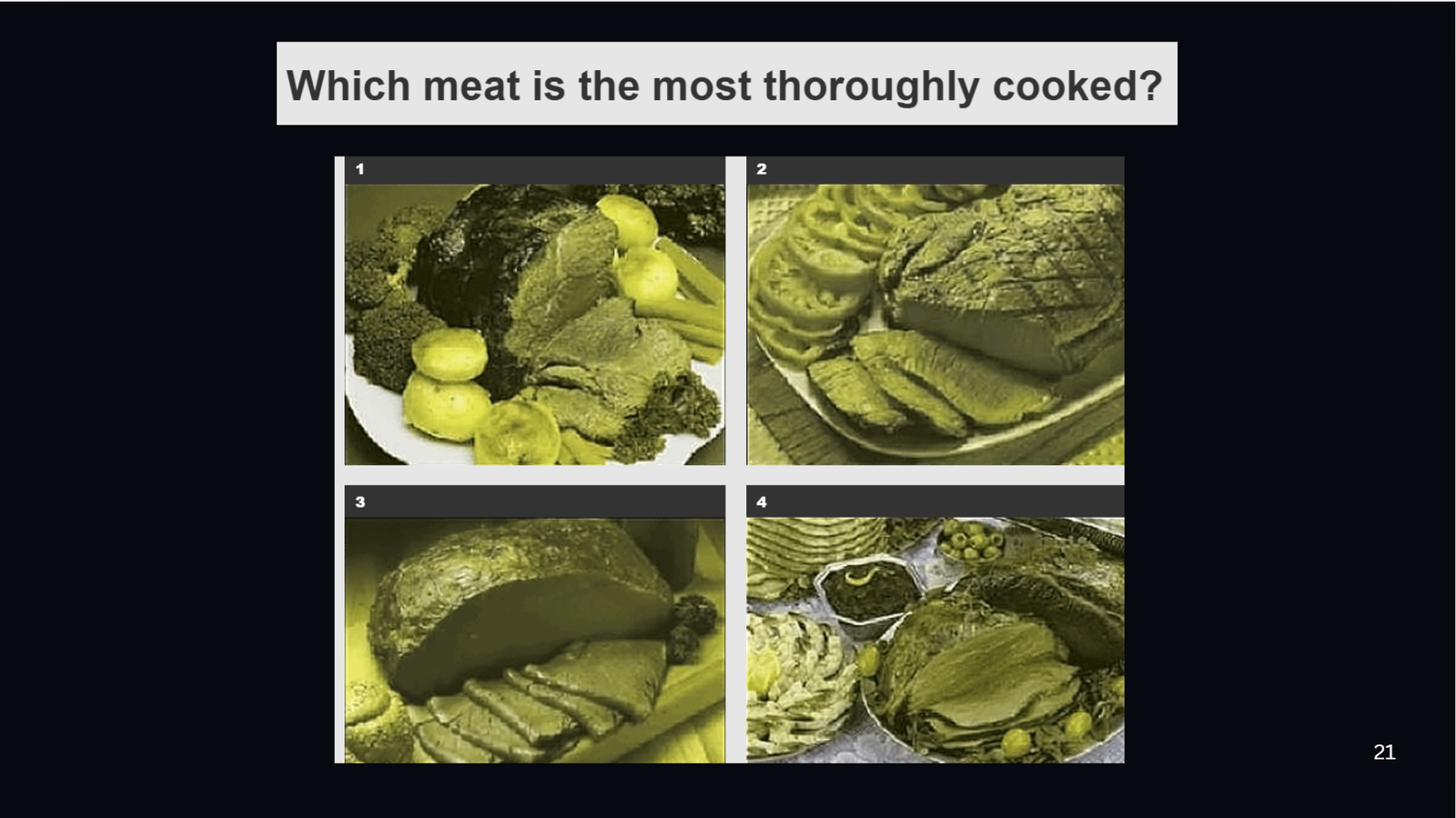
Scenario-based simulations transform empathy into actionable design insights.
Facilitator Support & Consistency
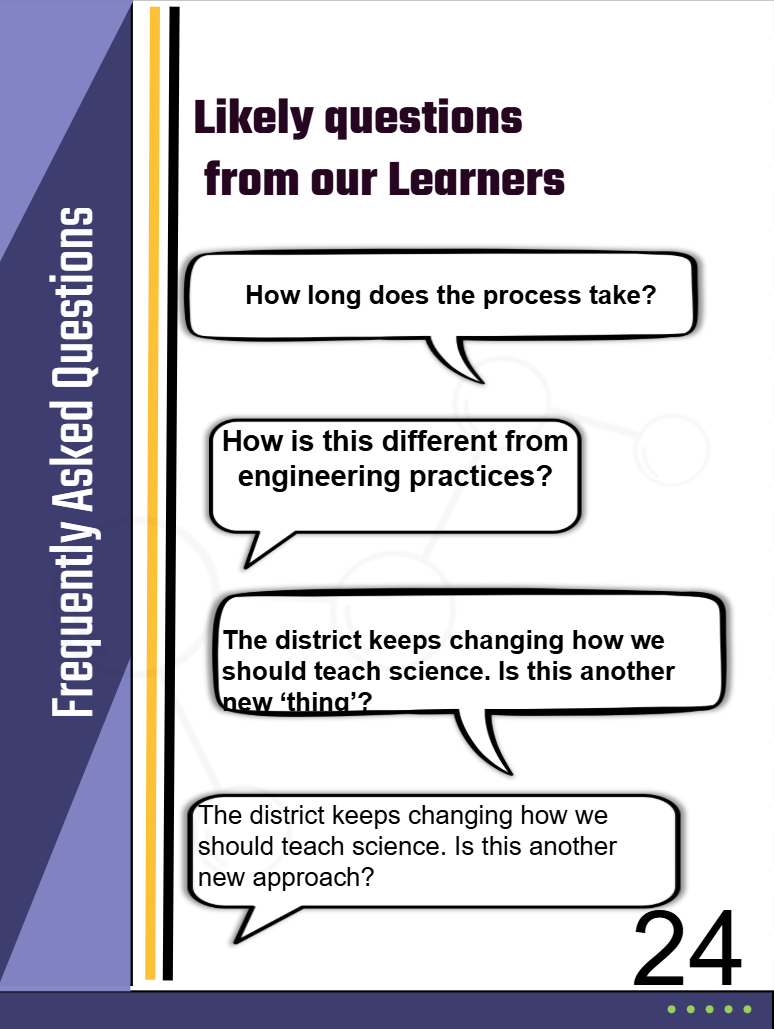
Anticipated questions reduce facilitator uncertainty during live sessions.
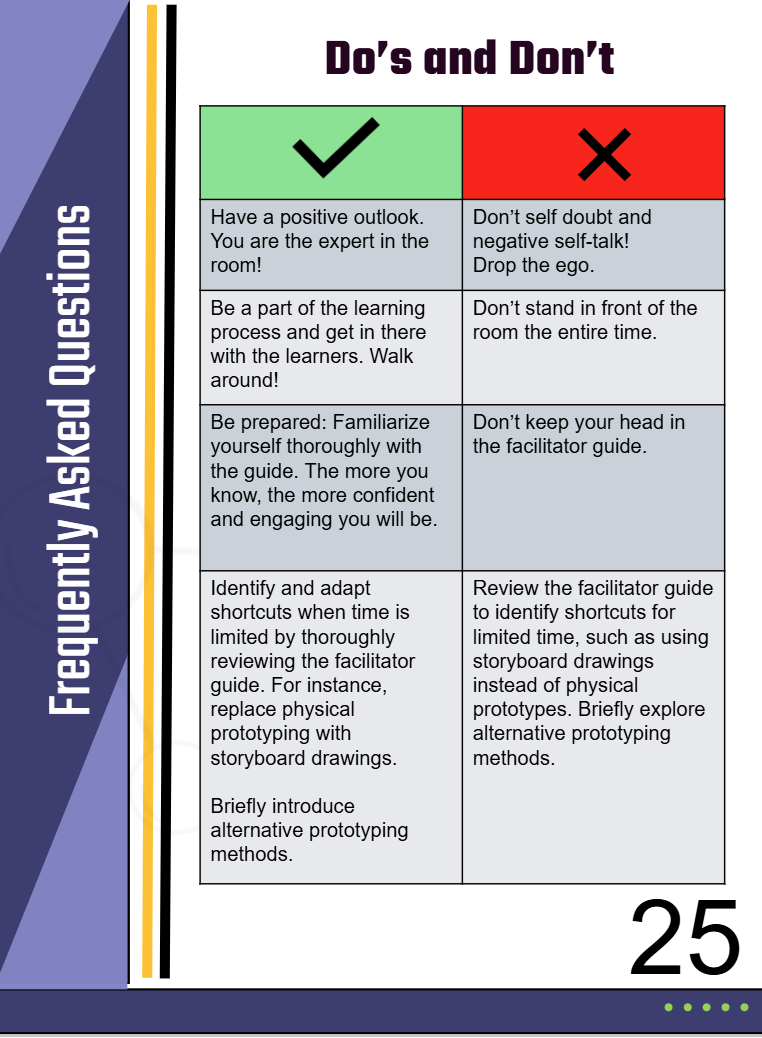
Guardrails ensure fidelity while allowing contextual flexibility.